
Next time you talk to a breeder, ask what generation the parents are. Note the answer in your care log alongside the lineage notes.
F1, F2, F3 — what generation actually means.
F1 is wild-caught crossed with wild-caught. F2 is two F1s. The further you get, the more variable the offspring — both visually and behaviorally.
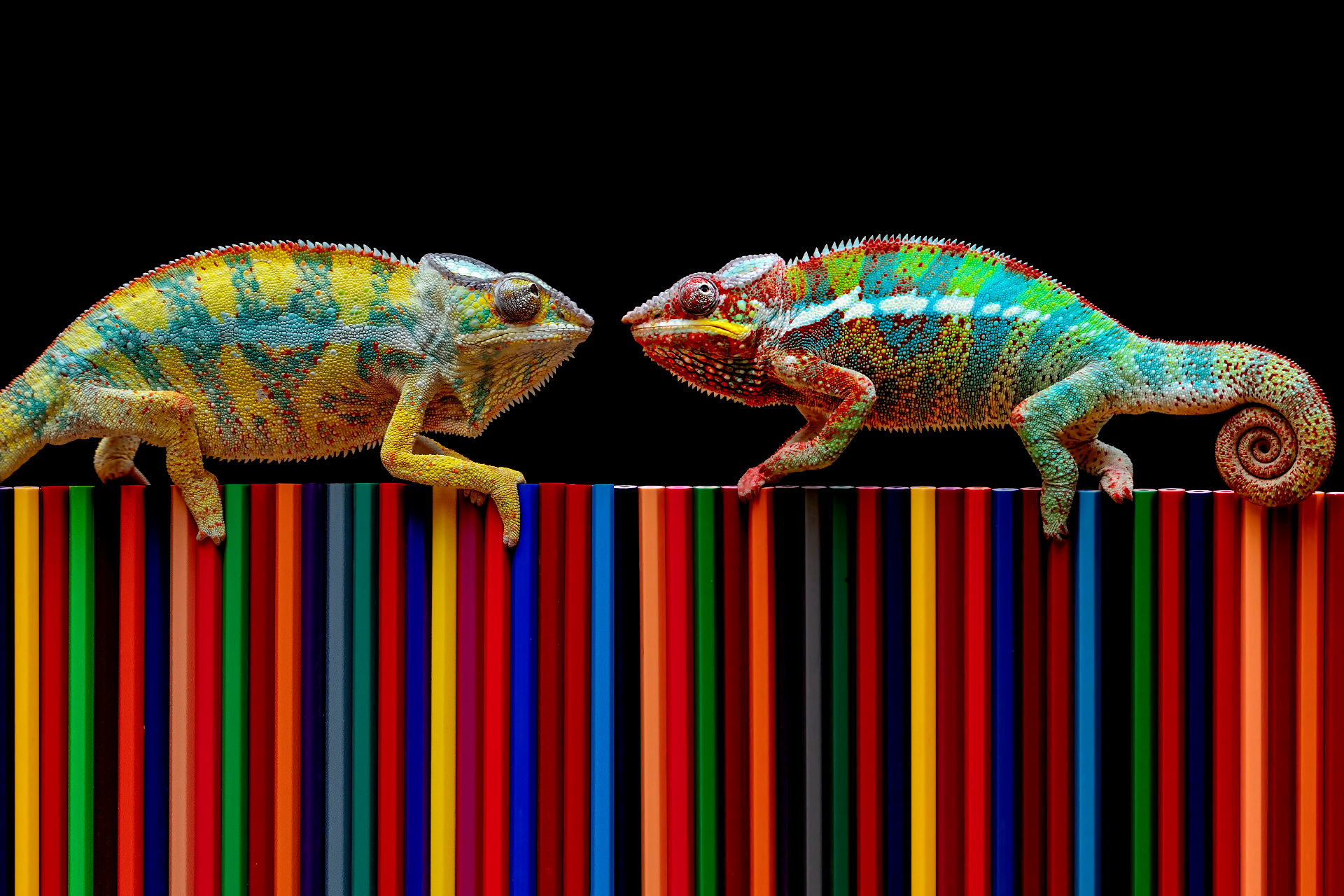
Generational tracking matters because each step away from documented wild-caught founders introduces variability. F1 (first captive-bred generation, both parents wild-caught) tend to be the most consistent in expression and the closest to the locale's wild-type appearance. F2 (both parents F1) start showing more individual variation. By F3 and F4, hobby-line animals can drift considerably from the founding type unless the breeder has been disciplined.
DSquared lines are tracked by generation in our breeding ledger. We deliberately cross back to lower-generation animals when possible to keep the locale phenotype tight. If a breeder cannot tell you what generation an animal is, treat that as a yellow flag — not disqualifying, but information.
DSQUARED Reptiles — Living Art. Curated Genetics.
From the field notes archive.
The morning baseline photograph.
A single weekly photo, taken at the same hour and angle, will tell you more about your care than any forum thread ever could.
Tightening screen tension on a year-old cage.
After twelve months of misting cycles and live plant weight, screen panels sag in ways that quietly compromise climbing surfaces.
A 72-hour gutload window for dubia roaches.
Dubia gutloads peak somewhere between 48 and 72 hours after the colony moves onto a fresh diet. Here's the schedule we run.