
Identify your animal's life stage today. If your feed schedule does not match the stage, plan a transition over the next two weeks.
Feeder frequency by life stage — hatchling to senior.
Hatchlings eat almost daily. Adults eat three days a week. Seniors (5+ years) often shift back to two. Match the schedule to the animal.
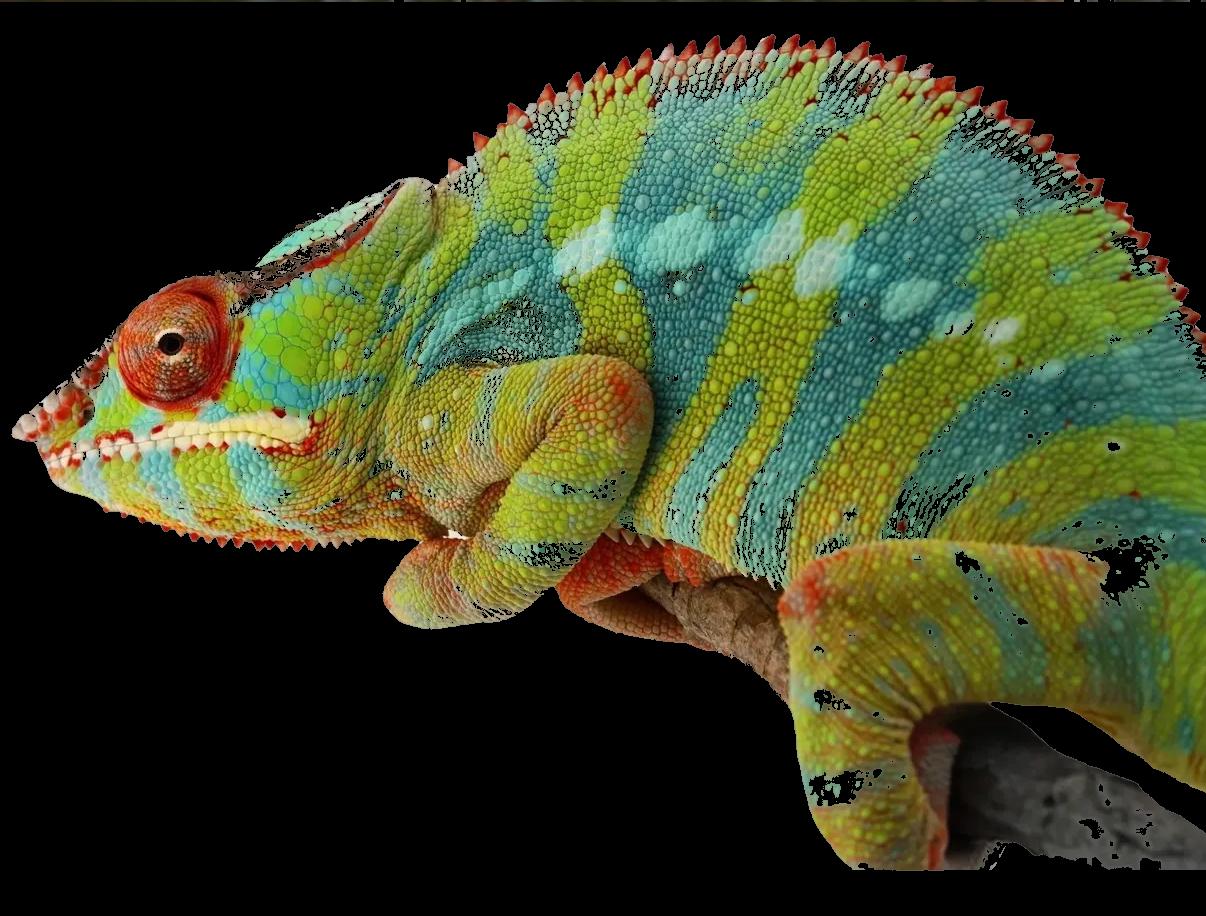
Hatchlings (under 4 months) eat almost daily — small portions, high frequency, tiny pinhead crickets and fruit flies. Juveniles (4–10 months) shift to feeding 5–6 days a week with larger portions. Subadults (10–18 months) settle into 4-day-per-week feeding. Adults (18+ months) maintain on 3-day-per-week feeding. Seniors (5+ years) often shift back to 2-day feeding as metabolism slows.
These are baselines, not rigid rules. Watch weight, activity, and stool quality — those are the actual signals. An adult who is gaining unwanted weight needs portion or frequency reduction; one who is gradually losing weight at the same routine needs a vet workup, not just more food.
DSQUARED Reptiles — Living Art. Curated Genetics.
From the field notes archive.
The morning baseline photograph.
A single weekly photo, taken at the same hour and angle, will tell you more about your care than any forum thread ever could.
Tightening screen tension on a year-old cage.
After twelve months of misting cycles and live plant weight, screen panels sag in ways that quietly compromise climbing surfaces.
A 72-hour gutload window for dubia roaches.
Dubia gutloads peak somewhere between 48 and 72 hours after the colony moves onto a fresh diet. Here's the schedule we run.