
Start a care log today. Notes app, dated entries, one line per day. Three weeks of data outweighs three weeks of worry.
First-month panic is normal. Resist most of the urges it produces.
Every new keeper convinces themselves something is wrong in the first month. Most of those somethings are nothing. Document, do not react.
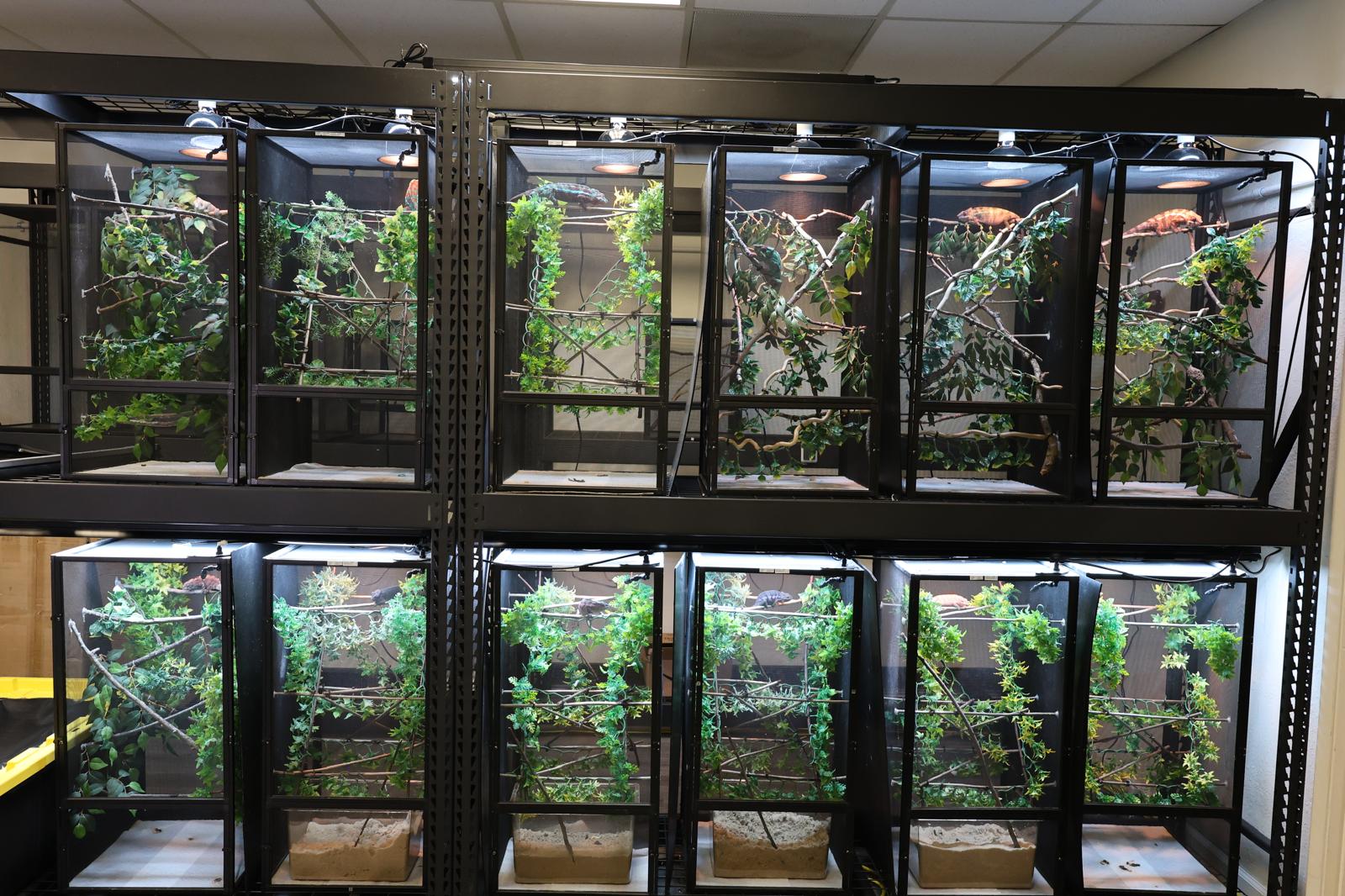
The new keeper's first month is mostly anxiety. The animal sleeps too much, then too little. It refuses crickets. It hangs in a corner. It changes color. Each of these prompts an urge to do something — change the bulb, raise the temperature, hand-feed, contact the breeder. Most of those urges are wrong.
Document instead. Photograph the animal in the same position daily. Weigh weekly. Note feed acceptance. After three weeks of data you will see the actual baseline for your specific animal, and most early panics resolve into 'that's just how this one acts.' If the data shows a real trend (consistent weight loss, no eating for five days, abnormal urates), THEN act — and the data tells the vet what they need to know.
DSQUARED Reptiles — Living Art. Curated Genetics.
From the field notes archive.
The morning baseline photograph.
A single weekly photo, taken at the same hour and angle, will tell you more about your care than any forum thread ever could.
Tightening screen tension on a year-old cage.
After twelve months of misting cycles and live plant weight, screen panels sag in ways that quietly compromise climbing surfaces.
A 72-hour gutload window for dubia roaches.
Dubia gutloads peak somewhere between 48 and 72 hours after the colony moves onto a fresh diet. Here's the schedule we run.