
Take the basking surface temperature at 2pm today. If above 92°F, dim the lamp tonight.
Summer heat-mitigation week — when ambient creeps over 80°F.
When room temps climb past 80°F daytime, the basking lamp pushes the basking spot dangerously high. The schedule below adjusts.
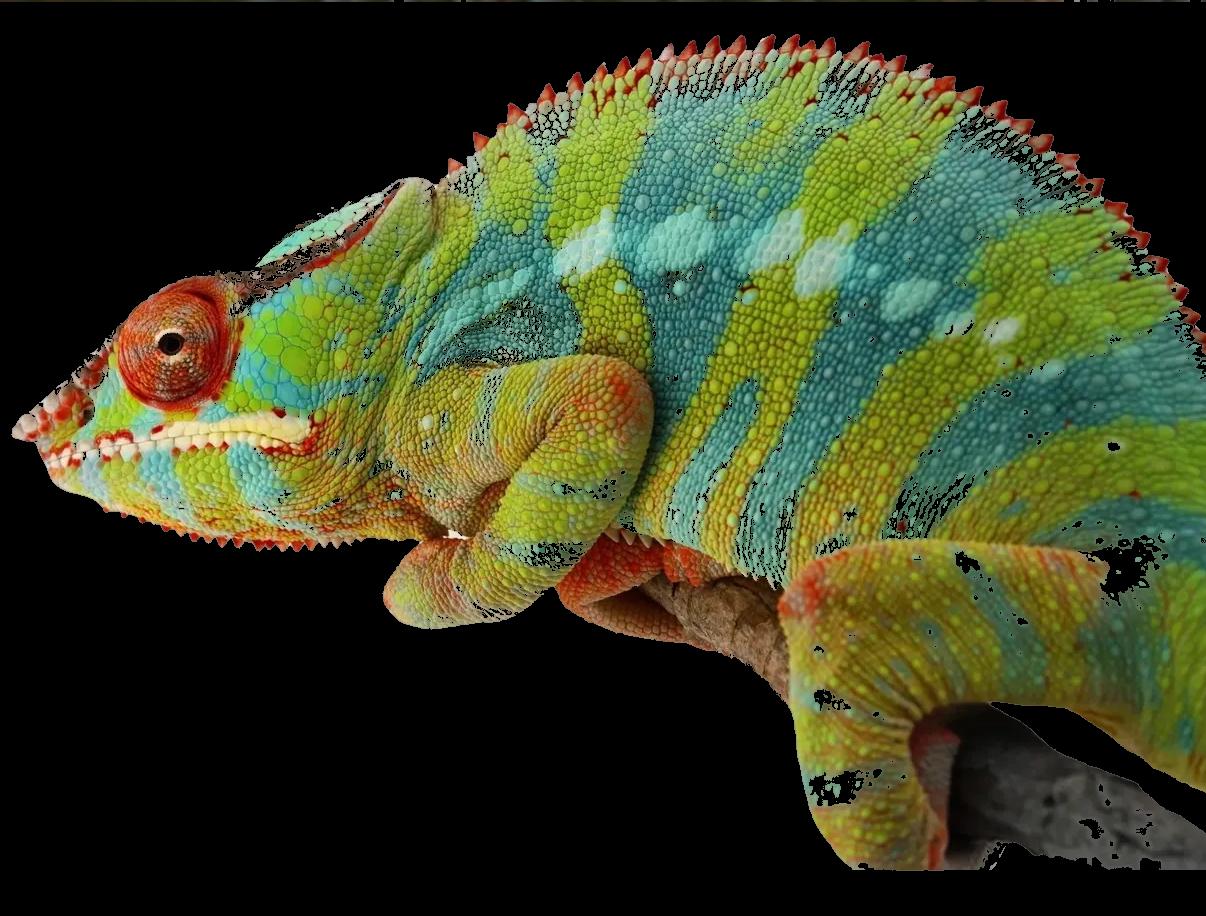
Summer heat is the most common preventable care failure. The basking lamp does not know the room got hotter; it produces the same heat output regardless. A 75W lamp that yields 90°F at the basking branch in spring may produce 98°F at the same spot in July, and that is dangerous territory.
The schedule below cuts basking duration, adds a midday cool-mist cycle, runs the fogger longer overnight, and shifts feeding to early morning before the room peaks. Re-measure basking surface temperature daily during heat events.
DSQUARED Reptiles — Living Art. Curated Genetics.
From the field notes archive.
The morning baseline photograph.
A single weekly photo, taken at the same hour and angle, will tell you more about your care than any forum thread ever could.
Tightening screen tension on a year-old cage.
After twelve months of misting cycles and live plant weight, screen panels sag in ways that quietly compromise climbing surfaces.
A 72-hour gutload window for dubia roaches.
Dubia gutloads peak somewhere between 48 and 72 hours after the colony moves onto a fresh diet. Here's the schedule we run.