
Set a 30-minute calendar block tomorrow to write down questions for your next vet visit.
Vet-visit prep week — minimize stress, maximize information.
A vet visit is the most stressful event in a captive chameleon's typical year. Prepping the week before reduces transport-related stress.
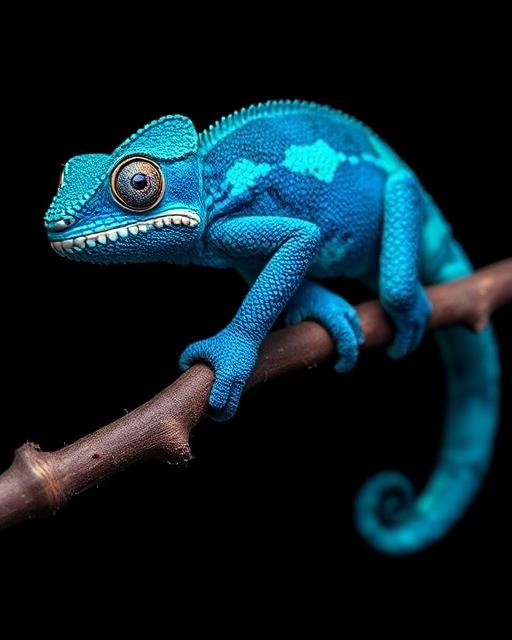
The week before a scheduled vet visit, we shift the cage to minimize cumulative stress: gentle handling sessions on three days to remind the animal that human interaction is not a threat, an unrushed transport-box dry run on day five (place the box near the cage with the door open so the animal can investigate at its own pace), and a careful weight check the morning of the visit.
Bring everything to the appointment: photos of the past 12 months, your weight log, your shed log, the fresh fecal sample, and a written list of questions. Use the full appointment slot — most vets allow 30 minutes; you have paid for it.
DSQUARED Reptiles — Living Art. Curated Genetics.
From the field notes archive.
The morning baseline photograph.
A single weekly photo, taken at the same hour and angle, will tell you more about your care than any forum thread ever could.
Tightening screen tension on a year-old cage.
After twelve months of misting cycles and live plant weight, screen panels sag in ways that quietly compromise climbing surfaces.
A 72-hour gutload window for dubia roaches.
Dubia gutloads peak somewhere between 48 and 72 hours after the colony moves onto a fresh diet. Here's the schedule we run.