
If a new arrival is coming this week, write the arrival protocol on a sticky note and tape it to the cage. You will need it more than the chameleon does.
The day your chameleon arrives, do almost nothing.
Open the box, place the animal in its enclosure, dim the lights, and walk away for six hours. The animal does not need you. It needs the cage to be calm.
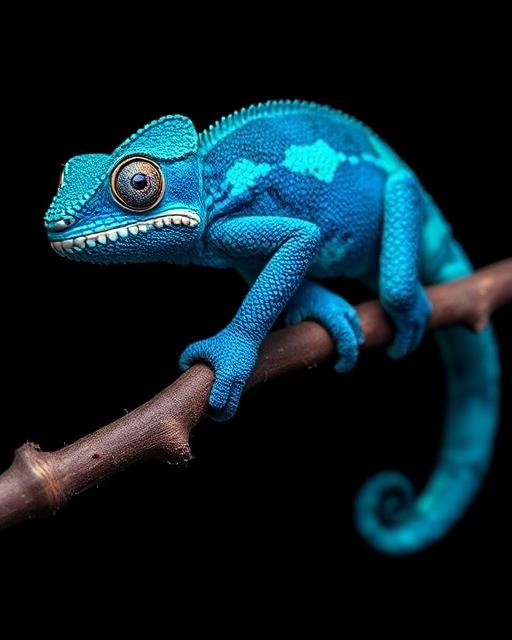
The shipping box has been the loudest, brightest, most uncertain experience of the animal's life. The single best gift you can give it on arrival is a calm cage and your absence. Open the box in the room with the cage. Place the animal on a mid-level perch. Do not handle. Do not photograph. Close the cage. Dim the room lights and leave.
Six hours later, peek from across the room. If the animal has moved, drunk water, or repositioned, you are doing fine. If it has not, leave it for another two hours. Most chameleons take 24–48 hours to fully calibrate to a new enclosure. Day-one excitement is the keeper's emotion, not the animal's.
DSQUARED Reptiles — Living Art. Curated Genetics.
From the field notes archive.
The morning baseline photograph.
A single weekly photo, taken at the same hour and angle, will tell you more about your care than any forum thread ever could.
Tightening screen tension on a year-old cage.
After twelve months of misting cycles and live plant weight, screen panels sag in ways that quietly compromise climbing surfaces.
A 72-hour gutload window for dubia roaches.
Dubia gutloads peak somewhere between 48 and 72 hours after the colony moves onto a fresh diet. Here's the schedule we run.